

Women's Care
Book a Consultation:
Sports Medicine
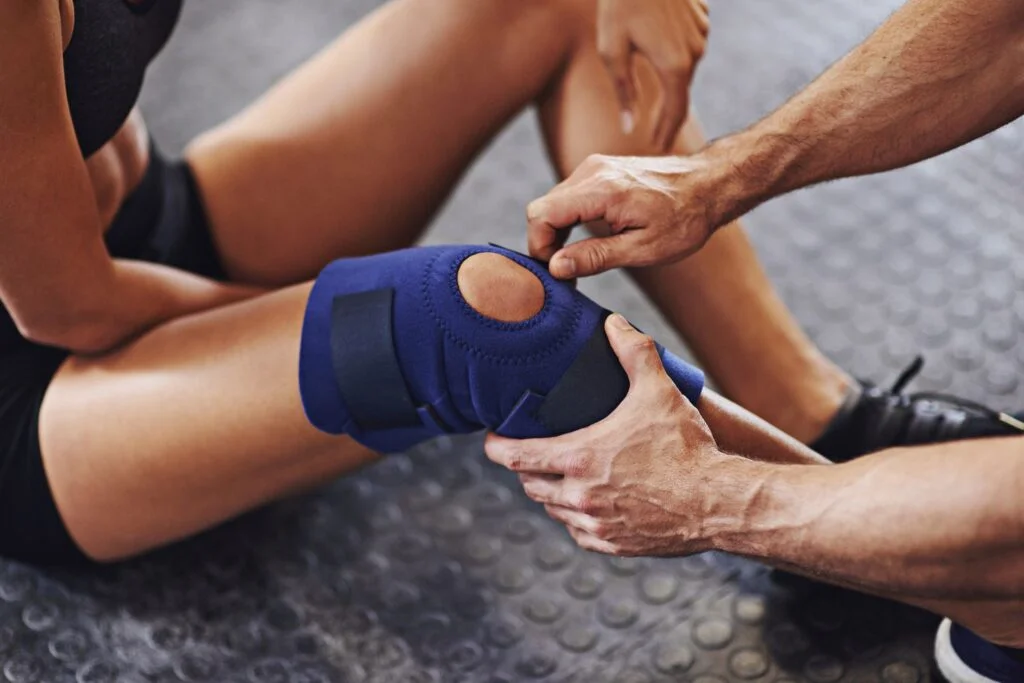
Sports Medicine Doctor in Whitefield
Sports injuries can affect muscles, bones, joints, ligaments, and tendons and may interfere with mobility, fitness, and daily activities. At Oyster Clinic, patients can receive evaluation and treatment for sports-related injuries along with guidance on safe recovery and injury prevention.
Commonly Treated Sports Injuries
Rotator Cuff Strain or Tear and SLAP Tear
The shoulder is a highly mobile joint that can be affected by repetitive overhead movements, sudden trauma, or age-related changes. Rotator cuff injuries and SLAP tears may cause shoulder pain, weakness, stiffness, and restricted movement. Proper assessment helps determine the appropriate treatment based on the severity of the injury.
ACL, Meniscus, PCL and MCL Tears
Knee ligament and meniscal injuries are common in sports involving sudden stops, twisting, jumping, or changes in direction. ACL, PCL, and MCL tears can affect knee stability, while meniscal injuries may cause pain, swelling, or difficulty moving the knee. Treatment depends on the type and severity of the injury and the patient’s activity requirements.
Ankle Ligament Injuries
Ankle ligament injuries commonly occur when the ankle twists or rolls during sports or physical activity. These injuries can result in pain, swelling, instability, and difficulty walking or running. Appropriate treatment and rehabilitation can help restore strength, movement, and stability.
Arthroscopic Treatment
Arthroscopy is a minimally invasive procedure that may be used to diagnose and treat certain joint conditions. Depending on the injury, arthroscopic procedures may be performed for conditions affecting the shoulder, elbow, wrist, knee, and ankle.
Sports Injury Treatment and Prevention
Sports injury management may include rest, activity modification, physiotherapy, medication, rehabilitation exercises, or surgical treatment when required. A structured rehabilitation programme can help improve strength, flexibility, balance, and joint function while supporting a safe return to physical activity.
Consult a Sports Medicine Doctor in Whitefield
If you have persistent pain, swelling, instability, or restricted movement following a sports injury, a specialist evaluation can help identify the underlying problem and guide appropriate treatment.
Our Specialists

Frequently Asked Questions
1. When should I consult a sports medicine doctor in Whitefield?
You should consult a sports medicine doctor if you experience persistent pain, swelling, stiffness, instability, or reduced movement following a sports injury or physical activity.
2. What sports injuries are commonly treated by a sports medicine doctor?
Common injuries include ACL, PCL and MCL tears, meniscal injuries, rotator cuff injuries, SLAP tears, ankle ligament injuries, and other sports-related muscle, tendon, and joint problems.
3. How are sports injuries diagnosed?
Sports injuries are diagnosed through a physical examination and assessment of symptoms. Depending on the injury, imaging tests such as X-rays, ultrasound, or MRI may be recommended.
4. Can sports injuries be treated without surgery?
Many sports injuries can be managed with non-surgical treatments such as rest, activity modification, medicines, physiotherapy, and rehabilitation exercises. Surgery may be considered for certain severe or persistent injuries.
5. What is arthroscopic treatment for sports injuries?
Arthroscopy is a minimally invasive procedure used to diagnose and treat certain joint problems. It may be performed for injuries affecting the shoulder, elbow, wrist, knee, or ankle.