Toothaches – they’re no fun! While a mild twinge might be manageable, persistent pain can significantly impact your daily life. If you’re experiencing ongoing discomfort, particularly when biting or chewing, a root canal could be the answer.
This blog dives deep into the world of root canals, addressing everything from what they are to why you might need one, the procedure itself, and recovery tips.
What is a Root Canal Treatment?
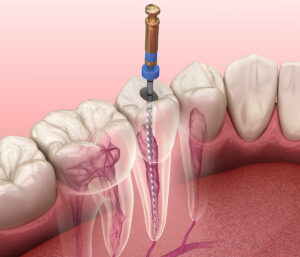
Technically called endodontic therapy, a root canal treatment is a dental procedure that addresses infection or inflammation within the tooth’s pulp. The pulp is the soft tissue core containing nerves, blood vessels, and connective tissue. Damage or decay can expose this sensitive area, leading to pain and infection.
When is a Root Canal Needed?
Several factors can necessitate a root canal. Here are some common reasons:
- Deep Cavity: Cavities that extend through the enamel and dentin layers can reach the pulp, causing infection.
- Cracked Tooth: Cracks or fractures can expose the pulp to bacteria, leading to infection.
- Repeated Dental Procedures: Extensive dental work on a tooth, such as multiple fillings, can irritate the pulp.
- Injury: Trauma to the tooth can damage the pulp and blood vessels, leading to inflammation and infection.
Symptoms That Might Indicate You Need a Root Canal:
- Persistent Toothache: A throbbing or sharp pain in the tooth, especially when biting or chewing, is a telltale sign.
- Sensitivity to Hot and Cold: Lingering discomfort after consuming hot or cold beverages can signal pulp irritation.
- Swollen Gums: Inflammation around the tooth’s base can indicate an infection.
- Pus Formation: Drainage of pus from the gums near the tooth is a serious symptom requiring immediate dental attention.
- Facial Discomfort: Pain that radiates to the jaw, ear, or other facial areas can be a sign of an advanced infection.
What Happens During a Root Canal?
A root canal is typically performed in one or two appointments, depending on the complexity of the case. Here’s a general breakdown of the procedure:
- Local Anesthetic: Your dentist will administer a local anesthetic to numb the area around the tooth.
- Isolation: A rubber dam will be placed to isolate the tooth and keep your mouth dry during the procedure.
- Access Creation: The dentist will create an opening in the top of the tooth to access the pulp.
- Pulp Removal: Using specialized instruments, the infected or inflamed pulp will be carefully removed.
- Canal Cleaning and Shaping: The root canals within the tooth will be thoroughly cleaned and shaped to remove any lingering bacteria.
- Canal Filling: The cleaned canals will be filled with a biocompatible material to prevent reinfection.
- Temporary Filling: A temporary filling will be placed on the tooth to protect it until the final restoration.
- Crown Placement: In most cases, a crown will be placed on the tooth in a subsequent appointment to restore its strength and functionality.
Recovery After a Root Canal
Following a root canal, you may experience some mild discomfort or soreness. Your dentist will prescribe medication to manage any pain. It’s crucial to maintain proper oral hygiene and follow your dentist’s instructions for a smooth recovery.
Benefits of Root Canal Treatment
Root canals offer several significant advantages:
- Pain Relief: The procedure effectively removes the source of pain, offering long-term relief.
- Tooth Preservation: Root canals save natural teeth, preserving your smile and chewing function.
- Prevents Infection Spread: By addressing the infection at its source, a root canal prevents the spread to other parts of your mouth or body.
- Improved Oral Health: Saving a tooth through a root canal maintains a healthy, functional mouth.
Root Canal vs. Tooth Extraction
While both procedures address dental problems, they serve different purposes. A root canal aims to save the tooth, whereas an extraction removes it entirely. The best course of action depends on the severity of the damage and the tooth’s overall health.
Cost of a Root Canal
The cost of a root canal can vary depending on factors like location, the complexity of the case, and dentist expertise. It’s generally more affordable than extracting and replacing a tooth.
Conclusion
Root canals are a valuable dental procedure, offering pain relief, preserving natural teeth, and promoting good oral health. If you’re experiencing persistent tooth pain, consult your dentist to determine if a root canal is the right solution for you.